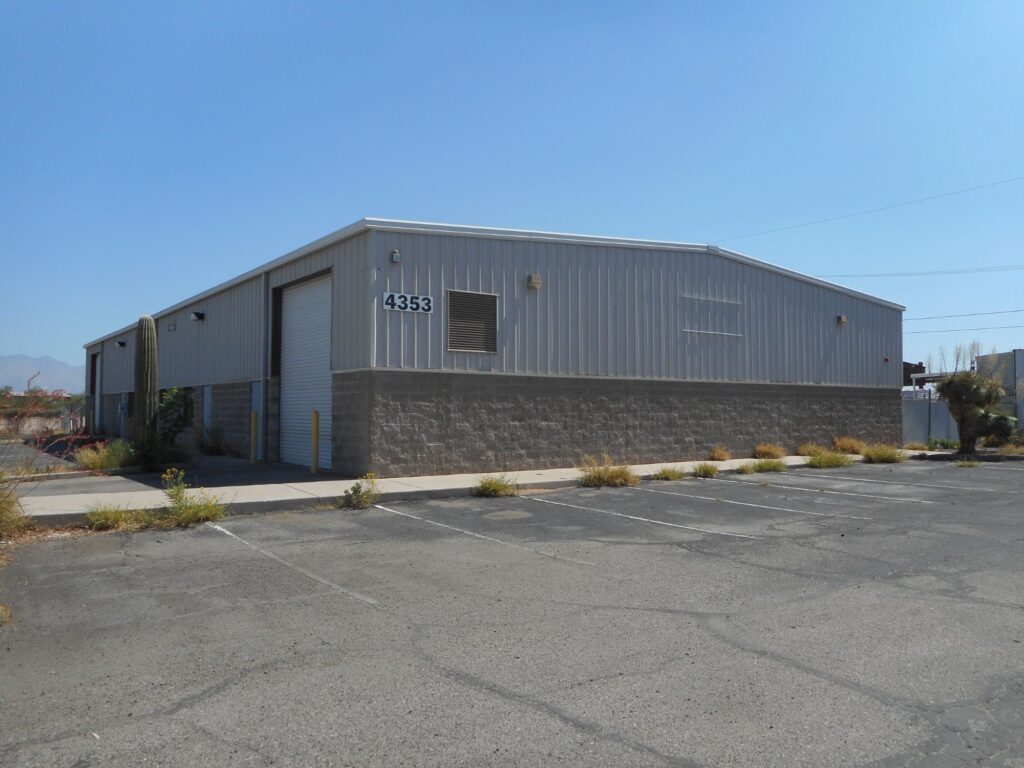
Investing in a warehouse property can be a strategic move for businesses looking to expand their operations or for investors seeking stable returns in the real estate market. However, purchasing a warehouse entails careful consideration of various factors to ensure that the property meets your needs, complies with regulations, and represents a sound investment. In this guide, we’ll explore the essential considerations when buying a warehouse, with a particular emphasis on the critical role of professional commercial inspections in the process.
- Evaluating Structural Integrity:
- Warehouses are substantial structures designed to store goods and materials, often featuring large open spaces, high ceilings, and heavy-duty construction. Before finalizing a purchase, it’s crucial to assess the structural integrity of the warehouse.
- A professional commercial inspection can identify potential issues such as foundation cracks, roof leaks, deteriorating walls or floors, and signs of structural instability. Understanding these structural concerns upfront can prevent costly surprises and inform negotiation strategies with sellers.
- Assessing Building Systems and Infrastructure:
- Warehouses typically house various essential systems and infrastructure, including electrical, plumbing, HVAC (heating, ventilation, and air conditioning), and fire suppression systems. These systems play a vital role in the functionality and safety of the property.
- A thorough inspection by qualified professionals can uncover any deficiencies or inefficiencies in these systems, such as outdated wiring, inadequate ventilation, plumbing leaks, or non-compliant fire safety measures. Addressing these issues proactively can enhance operational efficiency and minimize risks to occupants and assets.
- Analyzing Environmental Considerations:
- Environmental factors can significantly impact the suitability and value of a warehouse property. Potential environmental hazards such as soil contamination, air quality issues, or hazardous materials on-site or nearby must be carefully evaluated.
- Environmental assessments conducted as part of a commercial inspection can identify existing contamination risks or regulatory liabilities that may affect the property’s use or future development. Understanding these environmental considerations is essential for mitigating risks and ensuring compliance with environmental regulations.
- Considering Zoning and Land Use Regulations:
- Zoning regulations and land use restrictions can dictate how a warehouse property can be utilized and may impact its value and potential for redevelopment. Understanding the applicable zoning ordinances and land use regulations is crucial for avoiding compliance issues and maximizing the property’s potential.
- A professional inspection can help identify any zoning-related concerns, such as non-conforming land uses, setback violations, or restrictions on expansion or redevelopment. Clearing up these issues early in the due diligence process can prevent headaches and delays down the line.
- Securing Financing and Insurance:
- Lenders and insurers often require detailed assessments of a warehouse property’s condition and compliance with relevant standards before providing financing or coverage. A comprehensive commercial inspection report can provide lenders and insurers with the necessary assurance that the property meets their requirements.
- Working with experienced inspectors who understand the specific needs of lenders and insurers can streamline the financing and insurance processes, potentially leading to more favorable terms and rates for buyers.
Conclusion: Buying a warehouse property represents a significant investment that requires careful consideration and due diligence. While warehouses offer opportunities for businesses to expand their operations or investors to diversify their portfolios, thorough inspections are essential to uncover potential risks and liabilities. By prioritizing professional commercial inspections, buyers can gain invaluable insights into the structural integrity, building systems, environmental considerations, zoning regulations, and insurance requirements of the property. Armed with this knowledge, buyers can make informed decisions, negotiate effectively with sellers, and ultimately, maximize the value and potential of their warehouse investments.