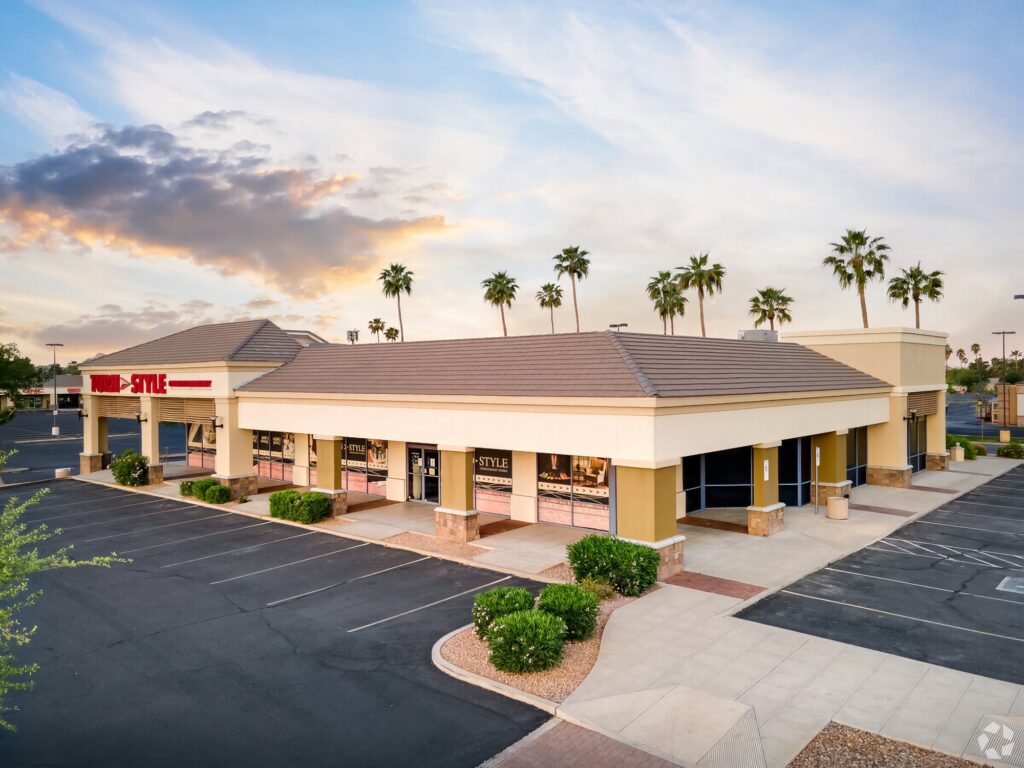
A commercial property inspection is a meticulous process, and each type of commercial building brings its own set of challenges and considerations. Among these, strip malls stand out due to their distinctive layout and diverse tenant mix. In this blog post, we’ll delve into the unique aspects of inspecting a strip mall compared to other commercial buildings, offering insights and tips for commercial inspectors.
- Tenant Diversity: Strip malls typically house multiple tenants, ranging from retail shops to restaurants and service providers. Unlike inspecting a single-tenant building, inspectors must navigate varying lease agreements, occupancy statuses, and individual maintenance standards. Understanding these differences is crucial for assessing the overall condition of the property accurately.
- Common Areas and Shared Utilities: Strip malls often feature shared common areas such as parking lots, walkways, and utility connections. Inspectors must pay close attention to the condition of these shared spaces, as any issues could affect multiple tenants and impact the property’s value. Additionally, assessing the functionality and maintenance of shared utilities like HVAC systems and drainage can present unique challenges.
- Accessibility and Visibility: Accessibility is a key factor in strip mall inspections, both for tenants and customers. Inspectors should evaluate the layout of the property to ensure compliance with accessibility regulations, including ADA requirements. Moreover, assessing the visibility of individual storefronts from the main thoroughfare can impact tenant visibility and potential foot traffic, influencing the property’s marketability.
- Lease Agreements and Tenant Relations: Unlike standalone commercial properties, strip malls involve managing multiple lease agreements and tenant relationships. Inspectors may need to review lease documents to understand tenant responsibilities, maintenance obligations, and lease expiration dates. Building positive rapport with tenants can also facilitate the inspection process and provide valuable insights into ongoing maintenance issues.
- Exterior Maintenance and Curb Appeal: The exterior appearance of a strip mall plays a significant role in attracting tenants and customers. Inspectors should assess the condition of facades, signage, landscaping, and parking areas to gauge curb appeal and overall property maintenance. Identifying any exterior maintenance needs early on can help prevent deterioration and preserve the property’s value over time.
- Environmental Concerns: Environmental considerations, such as hazardous materials or contamination, are crucial aspects of strip mall inspections. Inspectors should be aware of potential environmental risks associated with certain tenant activities, such as dry cleaning or automotive repair shops. Conducting thorough environmental assessments can mitigate liabilities and ensure regulatory compliance.
Conclusion: Inspecting a strip mall requires a comprehensive understanding of its unique characteristics, including tenant diversity, shared amenities, accessibility requirements, lease agreements, exterior maintenance, and environmental concerns. By addressing these aspects diligently, commercial inspectors can provide valuable insights to property owners and stakeholders, facilitating informed decision-making and ensuring the long-term viability of strip mall investments.