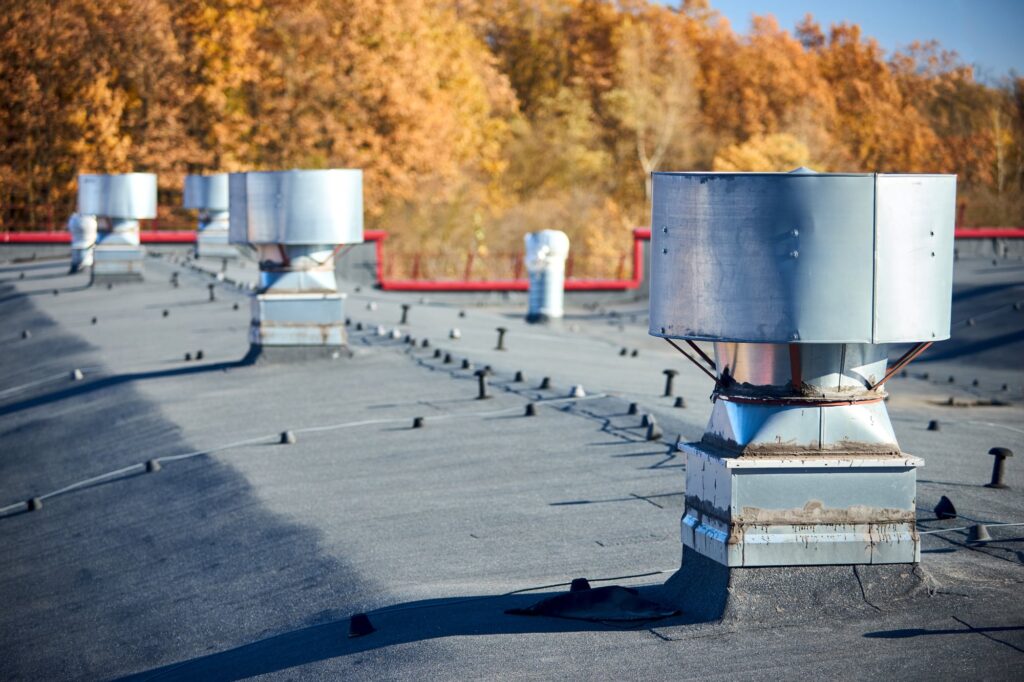
A commercial building’s roof is more than just a protective barrier; it’s a critical component that safeguards the structure, contents, and occupants from the elements. Proper maintenance of commercial roofing is essential for preserving its integrity, extending its lifespan, and minimizing the risk of costly repairs or replacements. In this guide, we’ll explore effective maintenance strategies for different types of commercial roofing materials, empowering property owners and managers to prioritize proactive care and ensure optimal performance.
- Asphalt Shingles:
- Inspect regularly: Conduct visual inspections of asphalt shingle roofs to identify signs of damage, such as missing or curling shingles, granule loss, or cracks. Addressing issues promptly can prevent water infiltration and structural damage.
- Clean gutters and downspouts: Clear debris from gutters and downspouts to prevent water backup and potential roof leaks. Ensure proper drainage to protect the integrity of the roofing system.
- Repair and replace damaged shingles: Promptly repair or replace damaged shingles to maintain the integrity of the roof surface. Sealant application may be necessary to reinforce vulnerable areas and prevent water penetration.
- Metal Roofing:
- Schedule professional inspections: Arrange for regular inspections by qualified roofing professionals to assess the condition of metal roofing systems. Inspectors can identify areas of corrosion, loose fasteners, or damaged seams that require attention.
- Address corrosion promptly: Metal roofs are susceptible to corrosion, especially in coastal or industrial environments. Treat corroded areas with appropriate coatings or sealants to prevent further deterioration and extend the lifespan of the roof.
- Maintain proper drainage: Ensure that gutters, downspouts, and roof drains are clear of debris to prevent water accumulation and corrosion. Regularly clean and inspect these components to maintain effective water management.
- EPDM (Ethylene Propylene Diene Terpolymer) Rubber Roofing:
- Clean and inspect regularly: Clean EPDM roofing membranes periodically to remove debris, dirt, and organic growth that can compromise performance. Inspect seams, flashings, and penetrations for signs of damage or deterioration.
- Avoid punctures and abrasions: Minimize foot traffic and potential damage to EPDM roofing surfaces by restricting access to authorized personnel. Promptly repair punctures, tears, or abrasions to prevent water infiltration and maintain waterproofing integrity.
- Apply protective coatings: Consider applying UV-resistant coatings or sealants to EPDM roofing membranes to enhance durability and weather resistance. These coatings can prolong the life of the roof and reduce maintenance requirements over time.
- Built-Up Roofing (BUR):
- Conduct regular inspections: Inspect built-up roofing systems for signs of blistering, cracking, or deterioration of the waterproofing layers. Address any issues promptly to prevent water intrusion and structural damage.
- Maintain proper drainage: Ensure that roof drains, scuppers, and gutters are clear of debris to facilitate proper water drainage and prevent ponding on the roof surface. Standing water can accelerate the deterioration of built-up roofing materials.
- Repair and reinforce seams: Built-up roofing systems rely on multiple layers of bitumen and reinforcement materials. Repair damaged seams or areas of separation to maintain the integrity of the waterproofing system and prevent leaks.
Conclusion: Maintaining commercial roofing systems is essential for preserving the integrity, functionality, and longevity of commercial buildings. Whether it’s asphalt shingles, metal roofing, EPDM rubber, or built-up roofing, proactive maintenance can prevent costly repairs, extend the lifespan of the roof, and protect the building and its occupants from weather-related hazards. By implementing regular inspections, addressing issues promptly, and investing in preventive measures, property owners and managers can ensure that their commercial roofing systems remain resilient and reliable for years to come.