OUR INSPECTIONS
INSPECTING PROPERTIES OF EVERY SIZE & TYPE
Our inspectors help the client understand the true condition of the property. After providing an educational in-person or virtual review of our findings, we complete and deliver our report within 24 hours.

OUR COMMERCIAL INSPECTIONS
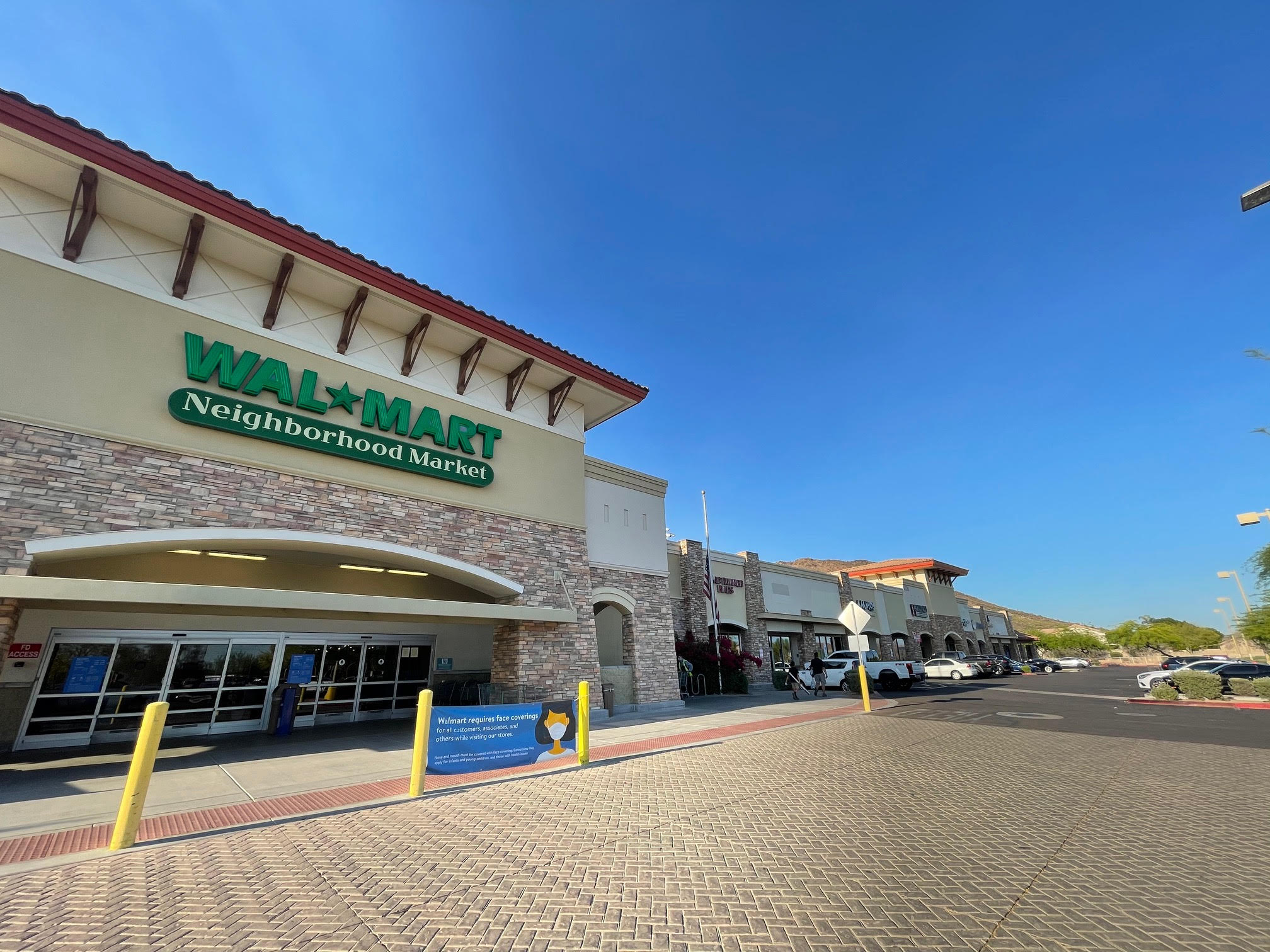
We provide thorough commercial property inspections for many different types of buildings – including:
- Manufacturing facilities
- Medical and Dental offices
- Warehouses
- Churches
- Office Buildings
- Office Suite Condominiums
- Apartments buildings and complexes
- Lodging and hotels
- Strip malls
Each property is unique – so we tailor our inspections to meet the needs of our individual clients and their properties. After your inspection is complete, we provide you with an industry-leading inspection report that covers all of our findings in an easy-to-read format. When you choose us – you are getting the best inspection in Arizona!
OUR INSPECTION SERVICES
Property Condition Inspections
Comprehensive assessments of the overall condition of a commercial property, including its structural elements, systems, and components. Inspection professionals conduct a thorough examination, utilizing a checklist that covers foundations, roofing, HVAC systems, plumbing, electrical, and other critical components. They identify any existing issues or potential concerns that might affect the property’s value or safety. The inspection may involve visual examinations, testing, and documentation of findings.
Property Condition Assessments
In-depth evaluations often performed in accordance with ASTM standards, providing detailed information about the property’s physical condition and potential risks. This involves a combination of site visits, document reviews, and interviews. The inspection team conducts a comprehensive analysis of the property’s condition, including a review of historical documents, interviews with relevant parties, and thorough on-site inspections. The goal is to provide a detailed and standardized assessment, often following the ASTM E2018 standard.
Limited Scope Inspections
Focused inspections targeting specific aspects or areas of a property, as requested by the client. Based on the client’s needs, inspection professionals concentrate on particular elements, allowing for a more targeted analysis without covering the entire property. For example, a client may request an inspection focused solely on the HVAC system, roofing, or specific structural components.
Yearly Maintenance Inspections
Regular inspections to assess the ongoing maintenance needs of a property and identify any issues that might require attention. Scheduled periodic visits are conducted to ensure that the property is well-maintained. Inspection professionals identify maintenance needs, potential wear and tear, and any issues that may arise in the future. Recommendations for preventive maintenance are often provided.
Draw Inspections
Inspections conducted during the construction phase to verify the completion of specified construction milestones and disburse funds accordingly. Inspection professionals work closely with construction teams to assess the progress of construction against agreed-upon milestones. They ensure that the work completed aligns with the schedule and meets quality standards. Reports are generated to support the disbursement of funds to contractors.
Insurance Loss Inspections
Assessments performed after an insurance claim to determine the extent of damage and help insurers process claims accurately. Inspection professionals evaluate the property post-loss, documenting damages and providing a detailed report to insurance companies. The report includes information on the cause and extent of damage, supporting the accurate processing of insurance claims.
Insurance Pre-loss Inspections
Proactive inspections conducted to identify potential risks and vulnerabilities that may lead to future losses. Inspection professionals assess the property to identify potential hazards or risks that could result in future damage or loss. Recommendations are provided to property owners to mitigate risks and enhance insurance coverage.
MEP Inspections (Mechanical, Electrical, Plumbing)
Detailed inspections of mechanical, electrical, and plumbing systems to ensure they meet safety and regulatory standards. Inspection professionals conduct a thorough examination of each system, checking for compliance with relevant codes and standards. They assess functionality, safety features, and identify any issues that may require attention or maintenance.
Triple-Net Lease Inspections
Inspections performed to ensure compliance with the terms of a triple-net lease, where tenants bear additional responsibilities for property expenses. Inspection professionals verify that tenants fulfill their obligations as outlined in the lease agreement. This may include ensuring proper maintenance of the property and compliance with lease terms related to repairs and improvements.
Construction Quality Control
Monitoring and inspection services during construction to ensure adherence to plans, specifications, and quality standards. Inspection professionals oversee construction activities, ensuring that the work aligns with approved plans and specifications. They conduct regular inspections to identify and address any deviations from industry standards or project requirements.
Thermal Imaging Scans and Inspection
Use of thermal imaging technology to identify variations in temperature and detect issues such as insulation gaps, water leaks, or electrical problems. Inspection professionals use thermal cameras to conduct non-intrusive inspections, identifying potential problems not visible to the naked eye. This includes scanning for heat anomalies that may indicate insulation issues, moisture intrusion, or electrical problems.
VIRTUAL REVIEW
Here at AZCPI, we prioritize an educational walk through of our findings after completion of the inspection. With the reality that many of our clients are from out of state, we provide a virtual walkthrough experience for any client that will be unable to attend in-person.
STANDARD PROPERTY CONDITION ASSESSMENT INSPECTIONS
This form of inspection is performed by our highly experienced inspectors who have actual commercial trade experience. The goal of this inspection is to find and report on any defects, maintenance/repair needs, or safety concerns.
The duration for this kind of inspection can be anywhere from a half-day, to 5 full days depending on the property size and complexity. The report will be generated within 24 hours of inspection completion.
An in-person or virtual walk-through is recommended on the day of inspection completion. This walk-through will include all involved inspectors educating client(s) on their findings and making recommendations for repair/correction needs.
These inspections can also be scheduled annually to determine continuing property condition, maintenance, and repair needs.
A STANDARD COMMERCIAL PROPERTY INSPECTION INCLUDES:
(Any of these can be added or subtracted from the inspection and agreed upon prior to the inspection for a customized price/view).
– Document Review
– Site Utilities, Drainage, and Paving
– Frame, Structure, and Building Envelope
– Roof Covering and Structure
– Mechanical and Electrical Systems
– Plumbing Systems
– Heating, Ventilation, and Air Conditioning
– Life Safety/Fire Protection
– Interior Elements and Finishes
– Exterior Elements and Finishes
– Kitchen and Cooking Equipment
– Repair and Correction Recommendations
ADDITIONAL INSPECTION SERVICES:
The following ancillary inspections can be added to any commercial property inspection for a customized view of the property and its additional systems.
Opinion of Cost Report
An “Option of Cost” report provides a comprehensive overview of potential costs associated with identified issues or recommended improvements. This report goes beyond highlighting the inspection findings by estimating the financial implications of addressing specific concerns. It outlines the projected costs for repairs, maintenance, or upgrades, aiding property owners and stakeholders in making informed decisions about the investment required to address identified issues. The report typically includes detailed cost breakdowns, allowing for budget planning and prioritization of necessary actions to enhance the overall condition and value of the commercial property.
Capitol Reserve Study
(Also referred to as a Reserve Analysis or Reserve Table) The Capital Reserve Study is an additional service to the Property Condition Assessment and Property Condition Report. A Capital Reserve Study is a multiple-year plan that forecasts a property’s expected expenses in repairs, replacements, and enhancements by considering the current condition and remaining useful life based on the findings from a Property Condition Assessment. A five-, ten-, or fifteen-year analysis is most common, especially for small businesses.
Phase 1, 2, and 3 Environmental Assessments
Comprehensive environmental assessments, including site history, potential contaminant sources, and remediation recommendations. These inspections involve extensive research, site visits, and testing to identify potential environmental risks. Reports may include information on historical site use, potential contaminants, and recommendations for further investigations or remediation.
NFPA-70b Annual Electrical Equipment Maintenance Inspections
Annual inspections of electrical systems conducted by qualified specialists, often using thermal imaging to identify potential issues. Qualified electrical specialists conduct thorough inspections of electrical systems, including the use of thermal imaging to identify issues related to electrical components. The goal is to ensure compliance with NFPA 70b standards and identify potential risks.
Thermal Imaging
Utilization of thermal infrared cameras for surveys related to defects in solar systems, roofing systems, electrical systems, and Building efficiency issues.
Thermal imaging utilizes infrared radiation to detect temperature variations and is instrumental in inspecting diverse systems. It identifies moisture in buildings by revealing temperature disparities, aids in maintaining electrical systems by spotting potential faults through overheating, assesses mechanical equipment for early issue detection, optimizes solar panel efficiency by identifying defects, and evaluates building envelopes for insulation and structural concerns. This non-invasive technology provides a visual representation of temperature differences, enabling proactive maintenance and risk mitigation across various applications.
Advanced HVAC Inspection
In-depth inspections of heating, ventilation, and air conditioning systems to ensure optimal performance and energy efficiency.
Inspection professionals conduct detailed assessments of HVAC systems, checking for proper functioning, energy efficiency, and compliance with industry standards. They may use advanced testing equipment to assess performance.
Termite Inspection
Evaluation of a property for termite infestations and damage, essential for preventing structural issues. Trained inspectors conduct a thorough examination of the property for signs of termite infestations, damage, and conditions conducive to termite activity. Recommendations for treatment and prevention may be provided.
Sewer Camera Inspection
Assessment of sewer lines and systems to identify blockages, damage, leaks, or other potential problems. Inspection professionals use specialized cameras to inspect sewer lines and identify issues. This helps in early detection and preventive maintenance. This service can save property owners and managers thousands in repair costs.
Fire and Life Safety Inspections
Inspections focusing on fire prevention measures, emergency exits, and overall life safety features.
Inspection professionals assess the property for compliance with fire safety regulations. This includes checking fire extinguishers, emergency exits, fire alarm systems, and other life safety features.
Fire Suppression System Inspection
Evaluation of fire suppression systems, ensuring they are functional and compliant with current standards.
Inspection professionals inspect fire suppression systems, including sprinklers and other suppression mechanisms, to ensure they meet current standards and are in proper working condition.
Kitchen Hood Inspection
Examination of commercial kitchen hood systems for safety and condition.
Inspection professionals assess the commercial kitchen hood system to ensure proper installation, functioning, and compliance with safety standards. This includes checking for grease buildup and ensuring ventilation operation.
Commercial Kitchen Inspection
Comprehensive inspections of commercial kitchens to ensure compliance with health and safety standards. Inspection professionals conduct thorough inspections of commercial kitchens and the condition of the kitchen area using the CCPIA standards for inspecting commercial kitchens.
ADA Inspection
Ensures compliance with accessibility standards, evaluating features like ramps, door widths, and signage to enhance inclusivity. The process involves a site assessment, compliance review, documentation of findings, recommendations for modifications, and follow-up to verify ADA compliance.
Air Quality inspection
Air Quality Inspection focuses on assessing indoor air quality, conducting initial assessments, air sampling for pollutants, laboratory analysis, reporting findings, suggesting mitigation strategies, and conducting follow-up testing.
Moisture Intrusion Inspection
Moisture Intrusion Inspection identifies and addresses water-related issues in buildings, involving visual inspection, thermal imaging, moisture meter use, source identification, documentation of findings, remediation recommendations, and follow-up to ensure effective resolution of moisture-related problems.
T.E.A.M. INSPECTIONS
The TEAM approach (Technical Experts And Management) is needed whenever a client desires a more technically detailed inspection.
In such cases, a team of licensed contractors is hired to inspect and include costs of currently needed repairs and maintenance. 5-year projected maintenance costs and potential warranties or certifications (such as fire sprinkler or elevator certifications) may also be provided by such specialists.
Arizona Commercial Property Inspections can manage any level of detailed inspection your company desires. Yearly Property Condition Assessments are recommended after the initial inspection to monitor your building’s performance, maintenance and it’s unique needs.
Hiring AZCPI for your annual inspections would be beneficial in many ways, especially because of the relationship between the client, property managers, and the inspectors that will be created during the initial inspection.
EXAMPLE OF SUPPLEMENTED PROFESSIONALS MAY INCLUDE:
– Structural engineers
– Environmental Specialists (Mold, Lead, Asbestos, Radon, Etc.)
– Elevator Specialists
– Pest Control Experts
– HVAC (Heating, Ventilation, Air Conditioning) Specialists
– Roofing Contractors
– Electrical Contractors
– Asphalt and Paving Specialists
– Plumbing Contractors
– Window & Door Contractors
– Fire Protection Specialists

Thorough & Comprehensive
Our Inspection Reports
Within 24 hours of inspection completion, AZCPI will electronically deliver a report published into industry-leading software. These reports are designed for the ease of use of the client.
FLAGSTAFF COMMERCIAL INSPECTIONS & ALL OF ARIZONA
Providing commercial property inspection services in the Phoenix Metro Area as well as Tucson, Flagstaff, Prescott, Showlow, Kingman, Yuma, Payson, and Lake Havasu. If you need a commercial property inspection anywhere in Arizona, give us a call.