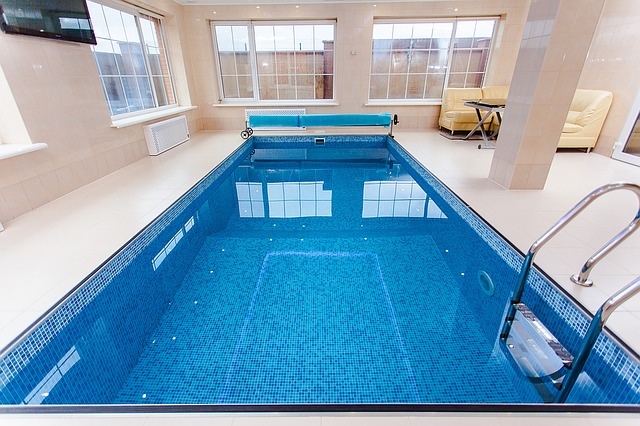
Investing in commercial real estate can be a lucrative venture, but it comes with its own set of considerations and potential pitfalls. When it comes to purchasing a property with a pool, the stakes are even higher. While a pool can add value and appeal to a commercial property, it also introduces a range of complexities and responsibilities. In this guide, we’ll explore the key factors to consider when buying a commercial property with a pool, emphasizing the critical role of professional inspections in ensuring a smooth and successful transaction.
- Assessing Safety and Compliance:
- Safety regulations and compliance requirements for commercial pools can vary significantly depending on location and intended use. A thorough inspection by a qualified professional will assess the pool’s compliance with local building codes, health and safety regulations, ADA (Americans with Disabilities Act) requirements, and any other relevant standards.
- Issues such as proper fencing, signage, lifeguard requirements, emergency equipment, and accessibility features must be carefully evaluated to mitigate liability risks and ensure the safety of patrons and employees.
- Evaluating Structural Integrity:
- Pools are complex structures that require regular maintenance and occasional repairs to remain functional and safe. During a professional inspection, the structural integrity of the pool, including the walls, floor, deck, and surrounding infrastructure, should be thoroughly evaluated.
- Common issues such as leaks, cracks, deteriorating surfaces, faulty plumbing, and inadequate drainage can compromise the pool’s longevity and pose significant financial burdens to the property owner if left unaddressed.
- Analyzing Maintenance and Operating Costs:
- Owning and maintaining a commercial pool can be a costly endeavor, requiring ongoing expenses for cleaning, chemical treatments, equipment repairs, and seasonal upkeep. A comprehensive inspection can provide valuable insights into the condition of the pool equipment, filtration systems, pumps, heaters, and other components.
- By understanding the current state of the pool and its associated maintenance requirements, prospective buyers can make informed decisions about budgeting for future expenses and negotiating favorable terms with sellers.
- Factoring in Insurance Considerations:
- Insurance coverage for commercial properties with pools can be more complex and expensive compared to standard real estate policies. Insurers will typically assess the pool’s condition, safety features, maintenance history, and compliance with regulations when determining premiums and coverage limits.
- A professional inspection report can serve as crucial documentation for insurance purposes, providing evidence of due diligence and risk mitigation measures to insurers and potential lenders.
- Leveraging Negotiation Opportunities:
- Armed with the insights gained from a thorough inspection, buyers can negotiate with sellers from a position of strength, addressing any identified issues or deficiencies and potentially lowering the purchase price or securing concessions.
- Sellers may also be more inclined to cooperate with repair requests or provide warranties and assurances regarding the pool’s condition if presented with clear evidence from a reputable inspection report.
Conclusion: Buying a commercial property with a pool presents both opportunities and challenges for investors and business owners. While pools can enhance the attractiveness and value of a property, they also require careful consideration and due diligence to ensure regulatory compliance, safety, and financial viability. A professional inspection by experienced inspectors specializing in commercial pools is indispensable in providing buyers with the comprehensive insights and confidence needed to make informed decisions and navigate the complexities of the transaction process. By prioritizing thorough inspections and proactive risk management, investors can maximize the potential rewards of their commercial real estate investments while minimizing potential liabilities and headaches associated with pool ownership.